The shop
Books for people who build people
A short shelf of books about creating fictional characters — the same work this tool is for. Covers and descriptions are the ones shown on Amazon.
Upcott Studios is a participant in the Amazon Services LLC Associates Program and the Amazon Associates Programme, affiliate advertising programmes designed to provide a means for sites to earn advertising fees by advertising and linking to Amazon.com and Amazon.co.uk. As an Amazon Associate, Upcott Studios earns from qualifying purchases.
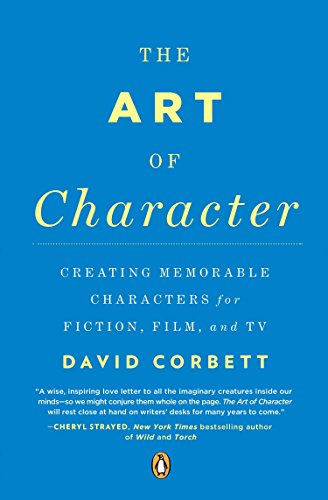
The Art of Character
David Corbett
Former private investigator and New York Times notable author David Corbett offers a unique and indispensable toolkit for creating characters that come vividly to life on the page and linger in memory. Corbett provides an inventive, inspiring, and vastly entertaining blueprint to all the elements of characterization—from initial inspiration to realization—with special insights into the power of secrets and contradictions, the embodiment of roles, managing the “tyranny of motive,” and mastering crucial techniques required for memorable dialogue and unforgettable scenes.
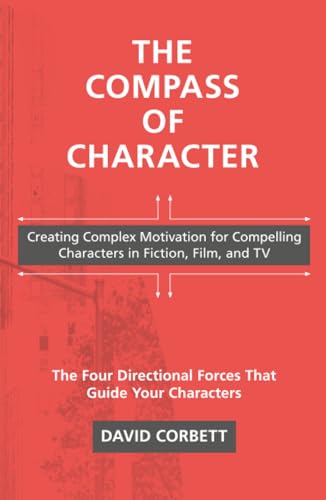
The Compass of Character
David Corbett
Just as a compass provides direction for an explorer, so does motivation provide direction for characters in fiction. The “compass” of character motivation is composed of four points: Lack, Yearning, Resistance, and Desire. In The Compass of Character you’ll learn to deeply consider the key question “What does my character want?” and learn techniques to answer that question by writing realistic and empathetic characters without falling into formulaic, unsatisfying results. David Corbett covers human yearning, pathological maneuvers, the pain of life versus the promise of life, backstory and behavior, the mechanics of growth and transformation, dramatizing mistaken desire, and moral arguments.
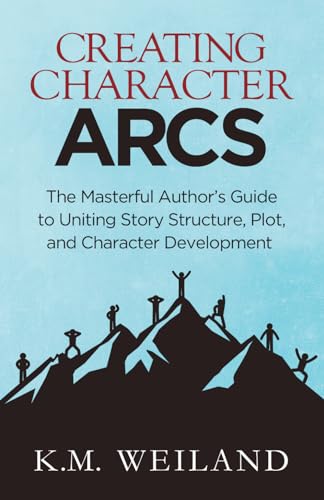
Creating Character Arcs
K.M. Weiland
Powerful character arcs create powerful stories. Have you written a story with an exciting concept and interesting characters—but it just isn’t grabbing the attention of readers or agents? It’s time to look deeper into the story beats that create realistic and compelling character arcs. Veteran writing teacher K.M. Weiland shares her method for memorable and moving character arcs. Applying the foundation of three-act story structure, and then the psychology of realistic and dynamic human change, she offers a beat-by-beat checklist of character arc guidelines that flexes to fit any type of story.
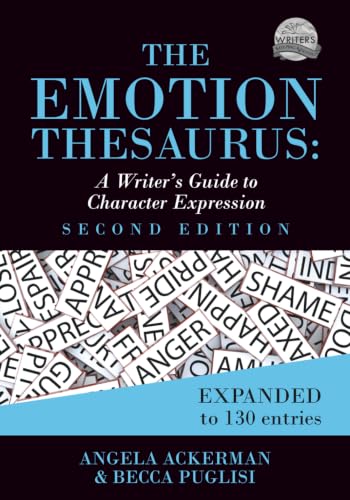
The Emotion Thesaurus
Angela Ackerman & Becca Puglisi
The bestselling Emotion Thesaurus, often hailed as “the gold standard for writers” and credited with transforming how writers craft emotion, has now been expanded to include 55 new entries. One of the biggest struggles for writers is how to convey emotion to readers in a unique and compelling way. It includes body language cues, thoughts, and visceral responses for 130 emotions, from mild to severe; a breakdown of the biggest emotion-related writing problems and how to overcome them; advice on what to do before drafting so emotions stay realistic and consistent; and instruction for showing hidden feelings and emotional subtext through dialogue and nonverbal cues.
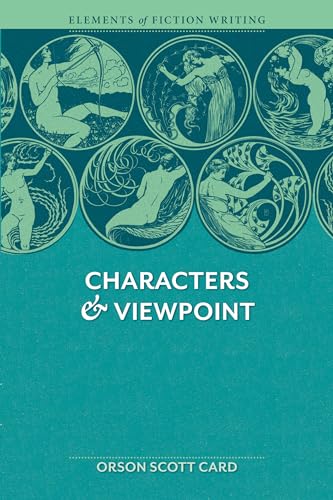
Characters & Viewpoint
Orson Scott Card
Vivid and memorable characters aren’t born: they have to be made. This book is a set of tools: literary crowbars, chisels, mallets, pliers and tongs. Use them to pry, chip, yank and sift good characters out of the place where they live in your imagination. Award-winning author Orson Scott Card explains in depth the techniques of inventing, developing and presenting characters, plus handling viewpoint in novels and short stories. With specific examples, he spells out your narrative options—the choices you’ll make in creating fictional people so “real” that readers will feel they know them like members of their own families.
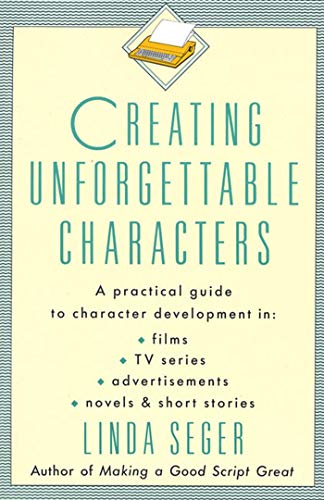
Creating Unforgettable Characters
Linda Seger
In this book, Linda Seger, author of Making a Good Script Great, shows how to create strong, multidimensional characters in fiction, covering everything from research to character block. She introduces concepts designed to stimulate the creative process, combining them with practical techniques and exercises. She also offers specific advice on creating nonfiction and fantasy characters, and case studies of such classics as Ordinary People and the sitcom Cheers. Addressing topics from backstory development to character psychology to avoiding stereotypes, Creating Unforgettable Characters is a resource for writers in any genre. Interviews with professional writers complete the book.
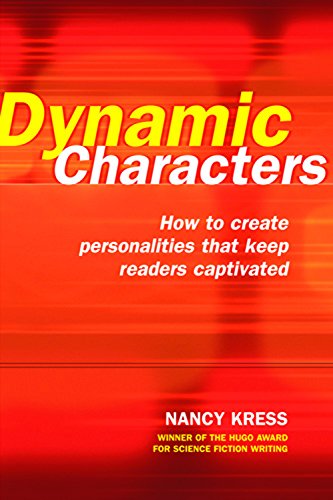
Dynamic Characters
Nancy Kress
A truly unforgettable story is defined by its characters. Their motivations, their changes, their actions compel us to read on, anxiously trying to discern what will happen next. In Dynamic Characters, award-winning author and Writer’s Digest columnist Nancy Kress explores the fundamental relationship between characterization and plot, illustrating how vibrant, well-constructed characters act as the driving force behind an exceptional story.
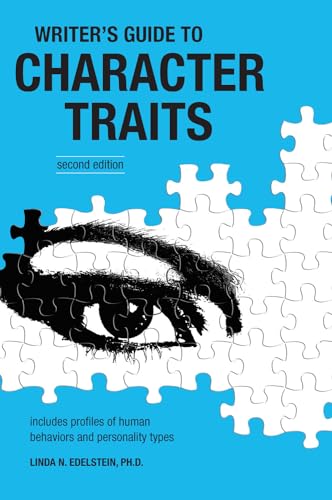
Writer’s Guide to Character Traits
Linda N. Edelstein, Ph.D.
With more than 400 easy-to-reference lists of traits blended from a variety of behaviors and influences, you’ll gain the knowledge you need to create distinctive characters whose personalities correspond to their thoughts and actions—no matter how normal or psychotic they might be. In this updated and expanded second edition, you’ll also find comprehensive instruction on how to use the book, new statistical information to help you create true-to-life characters, and corresponding exercises that show you how to put the material to work in your stories. Noted psychologist and author Dr. Linda Edelstein takes you beyond generic personality types and into the human psyche, where you’re sure to find the resources you need to make your characters stand out from the crowd.
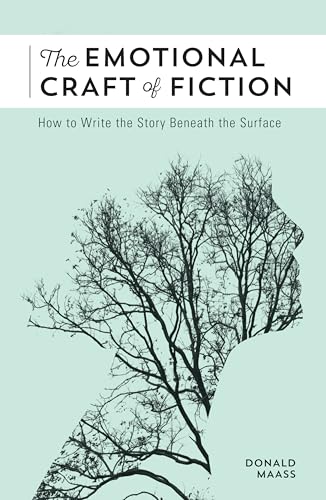
The Emotional Craft of Fiction
Donald Maass
The essential guide to evoking emotional experiences in your readers. Writers might disagree over showing versus telling or plotting versus pantsing, but none would argue this: if you want to write strong fiction, you must make your readers feel. Veteran literary agent and fiction instructor Donald Maass shows you how to use story to provoke a visceral, emotional experience. The book covers emotional modes of writing, going beyond showing versus telling, a story’s emotional world, moral stakes, connecting the inner and outer journeys, plot as emotional opportunity, higher emotions, symbols and emotional language, cascading change, and the hidden current that makes stories move. Readers can simply read a novel—or they can experience it.
As an Amazon Associate, Upcott Studios earns from qualifying purchases. Amazon.com links use affiliate tag upcottstudios-20. Amazon.co.uk links use affiliate tag stewartferris-21.